Taylor Embroidery Font: Modern Script for Your Machine
Understanding the Taylor Script Typeface
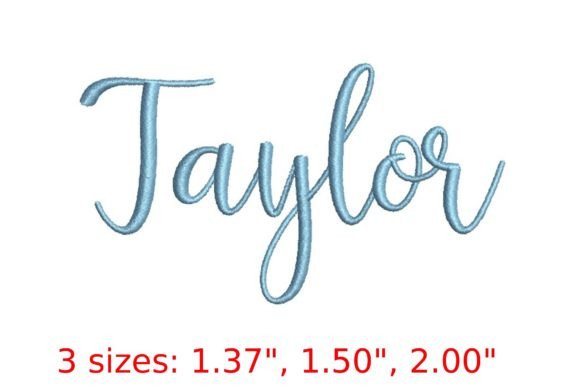
Finding a typeface that bridges the gap between casual warmth and professional polish is a common challenge for designers and crafters alike. The Taylor Embroidery Font addresses this by offering a balanced, modern script aesthetic. Unlike overly ornate calligraphy or rigid block text, Taylor features clean lines and a steady rhythm. It avoids the "wedding invitation" cliché often associated with script fonts, leaning instead toward a versatile, contemporary feel. This makes it an excellent choice for projects that require personality without sacrificing legibility. As a premium font designed specifically for stitching, it has been optimized to handle the tension and pull of thread, ensuring that the digital design translates perfectly to physical fabric.
Visual Characteristics and Style
When analyzing the Taylor Embroidery Font, the first thing you notice is its consistency. It maintains a steady baseline and x-height, which contributes to high readability even at smaller scales. The letterforms are connected in a fluid manner, mimicking natural handwriting but with the precision of a modern typography asset. It sits comfortably between a script font and a handwritten font, possessing the elegance of the former and the approachability of the latter. This duality allows it to adapt to various contexts. For instance, in logo design, it conveys authenticity and a human touch, while in packaging design, it suggests artisanal quality. The font avoids excessive swashes or loops that can clutter a design, focusing instead on the core structure of the letters.
Practical Applications and Project Fit
Choosing the right typeface is about context. While Taylor is a versatile creative font, it excels in specific scenarios where a human touch is required. It is particularly effective for small business owners looking to create cohesive brand identity elements. For example, a boutique clothing brand could use Taylor for hang tags, embroidered logos on breast pockets, and social media headers. The font’s structure supports this kind of cross-platform consistency.
Where Taylor Shines
- Apparel and Accessories: Ideal for monogramming tote bags, caps, and baby clothing. The PES file format compatibility ensures it works seamlessly with popular machines like Brother and Babylock.
- Home Decor: Excellent for customizing throw pillows, towels, and linens with a contemporary look.
- Digital Content: Beyond the machine, the vector files included are perfect for social media graphics, blog headers, and digital invitations where a script font adds warmth.
- Editorial Design: Can be used as a display type for pull quotes or section headers in magazines and web design layouts to break up rigid sans-serif blocks.
Design Strategy and Typography Pairing
Using a script font effectively requires a strategic approach to visual hierarchy. Because Taylor has a distinct personality, it works best as a focal point rather than a supporting actor. It should rarely be used for body copy in long-form text. Instead, pair it with a neutral sans serif font or a classic serif font. For example, combining Taylor with a geometric sans serif creates a high-contrast, modern look suitable for tech startups or fashion brands. Pairing it with a traditional serif creates a more grounded, heritage feel.
Evaluating Readability and Licensing
When integrating Taylor into your workflow, always test for readability at the intended size. While it is a premium font with clean lines, embroidery density can vary based on fabric type. It is advisable to stitch a sample letter—like the "A" or "a" mentioned in the technical specs—on your specific material before committing to a large production run. Furthermore, understanding the licensing is crucial for entrepreneurs. This is a commercial font, meaning you can use it to create products for sale. However, you cannot redistribute the digital font files themselves. Always review the specific terms regarding print-on-demand or mass manufacturing limits to ensure your design assets are used legally and ethically.